
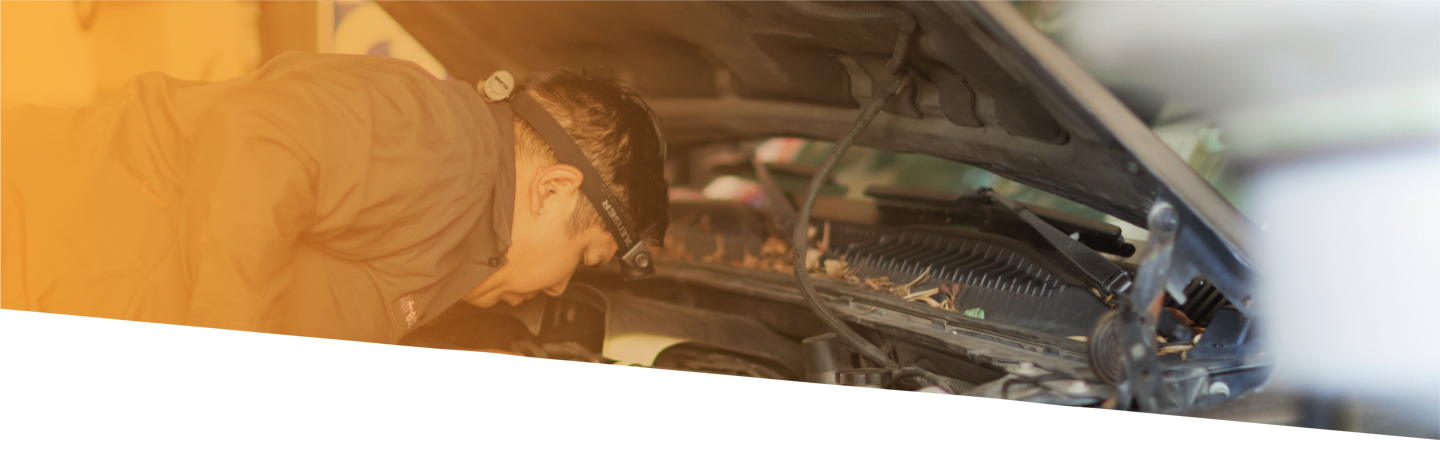
Cooling System Repair Service
When Your Engine Runs Hot, the Cooling System Needs Attention
An overheating engine can make any driver nervous. Maybe the temperature gauge starts climbing. Maybe the temperature warning light comes on. Maybe you smell coolant, see steam, notice a puddle under the vehicle, or the heater suddenly stops working. Sometimes the vehicle only runs hot in traffic. Sometimes it overheats on hills. Sometimes it cools down again, but you know something is not right. At JR Automotive in San Francisco, we take cooling system concerns seriously because overheating can lead to expensive engine damage if ignored.
The cooling system is not just one part. It includes the radiator, coolant, water pump, thermostat, hoses, cooling fans, radiator cap, coolant reservoir, heater core, sensors, and related engine components. A small leak or weak part can turn into a much bigger problem if the vehicle keeps being driven hot. Jesús, Raul, and the team built JR Automotive around careful inspections, honest communication, and repairs done right. With cooling system repair, that means we inspect the system, look for the cause, explain what we find, and repair what actually needs attention.
What the Cooling System Does
The cooling system helps keep the engine operating within the correct temperature range. Your engine creates heat every time it runs. Coolant moves through the engine, absorbs heat, and carries that heat to the radiator. The radiator releases heat, the thermostat helps control flow, the water pump moves coolant, and cooling fans help manage temperature when airflow is limited. The cooling system may include:
- Coolant
- Radiator
- Water pump
- Thermostat
- Cooling fans
- Radiator hoses
- Heater hoses
- Radiator cap
- Coolant reservoir
- Heater core
- Temperature sensors
- Fan relays or controls
- Gaskets and seals
When one part of the system is not working correctly, the engine can run too hot, lose coolant, overheat, or behave unpredictably.
Signs You May Need Cooling System Repair
Cooling system problems can show up in several ways. You may need cooling system repair if you notice:
- Temperature gauge running high
- Temperature warning light
- Engine overheating
- Coolant leaking under the vehicle
- Sweet coolant smell
- Steam from under the hood
- Coolant level low
- Heater blowing cold air
- Engine runs hot in traffic
- Engine runs hot on hills
- Cooling fan not coming on
- Coolant reservoir empty
- Rusty or dirty coolant
- White smoke from exhaust
- Repeated need to add coolant
Some of these symptoms are urgent. If the engine is overheating, it is better to stop safely and call for guidance instead of continuing to drive.
Why Overheating Should Not Be Ignored
Overheating can damage the engine. If the engine gets too hot, it can damage gaskets, seals, cylinder heads, internal components, and other expensive parts. A small coolant leak can become a major repair if the vehicle is driven while overheating.
Overheating may lead to:
- Head gasket damage
- Warped cylinder head
- Engine damage
- Coolant loss
- Oil contamination
- Misfires
- Poor engine performance
- No-start concerns
- More expensive repairs
That is why JR Automotive takes overheating seriously. We want to find the cause before the vehicle is driven into a larger problem.
Common Causes of Overheating
An overheating engine can be caused by several different cooling system concerns. Common causes include:
- Low coolant
- Coolant leak
- Radiator problem
- Water pump failure
- Thermostat stuck closed
- Cooling fan failure
- Radiator cap not holding pressure
- Collapsed hose
- Air in the cooling system
- Clogged radiator
- Heater core restriction
- Temperature sensor concern
- Head gasket issue
The symptom may look the same from the driver’s seat, but the repair can be very different. That is why inspection and testing matter.
Coolant Leaks
Coolant leaks are one of the most common cooling system problems. A leak may be obvious, with a puddle under the vehicle. Or it may be slow, leaving only a smell, residue, or low coolant level over time.
Coolant leaks may come from:
- Radiator
- Radiator hoses
- Heater hoses
- Water pump
- Thermostat housing
- Coolant reservoir
- Radiator cap
- Heater core
- Intake gasket
- Engine gaskets or seals
- Connections and clamps
If coolant is low, the next question is why. Adding coolant may help temporarily, but it does not fix the leak. JR Automotive inspects the system to find the source and explain the repair options.
Radiator Problems
The radiator helps remove heat from the coolant. Radiator problems can cause overheating, leaks, poor cooling performance, or pressure concerns. Because the radiator sits near the front of the vehicle, it can also be affected by debris, corrosion, age, or damage. Signs of radiator problems may include:
- Coolant leak
- Overheating
- Low coolant
- Coolant smell
- Steam
- Rusty coolant
- Coolant residue near radiator
- Temperature gauge rising in traffic
- Visible radiator damage
Radiator service may involve repair or replacement depending on the condition and leak location. JR Automotive checks the radiator as part of the full cooling system, not as an isolated part.
Water Pump Problems
The water pump moves coolant through the engine and cooling system. If the water pump is failing, coolant may not circulate properly. The engine may overheat, especially under load, on hills, or in traffic.
Water pump problems may show up as:
- Coolant leak near water pump
- Overheating
- Grinding or whining noise
- Coolant residue
- Poor coolant circulation
- Temperature gauge rising
- Steam or coolant smell
Water pump replacement can be more involved on some vehicles, especially when it is driven by the timing belt or located in a tight area. JR Automotive inspects carefully and explains what is involved before recommending repair.
Thermostat Concerns
The thermostat helps regulate engine temperature by controlling coolant flow. If the thermostat sticks closed, the engine may overheat. If it sticks open, the engine may run too cool, take too long to warm up, or have weak heater performance.
Thermostat concerns may cause:
- Overheating
- Temperature gauge fluctuating
- Engine takes too long to warm up
- Heater blows cool air
- Poor fuel economy in some cases
- Check engine light in some vehicles
A thermostat is a small part, but it can create big symptoms. Testing helps confirm whether the thermostat is truly the issue or whether another cooling system problem is present.
Cooling Fan Problems
Cooling fans help move air through the radiator, especially when the vehicle is stopped or moving slowly. If the cooling fan does not turn on, the vehicle may run hot in traffic but cool down while driving at higher speeds. This is common because airflow increases when the vehicle is moving.
Cooling fan problems may involve:
- Fan motor
- Fan relay
- Fan control module
- Temperature sensor
- Wiring
- Fuse
- Computer control
- Poor airflow through radiator
Signs of cooling fan concerns may include:
- Overheating in traffic
- AC gets warm at idle
- Temperature rises when stopped
- Fan not running
- Fan running constantly
- Intermittent overheating
San Francisco traffic can make cooling fan problems more noticeable. JR Automotive can test fan operation and related controls.
Radiator Hoses and Heater Hoses
Hoses carry coolant through the system. Over time, hoses can crack, swell, soften, collapse, or leak. A hose failure can cause rapid coolant loss and overheating.
Hose concerns may include:
- Visible cracks
- Soft or swollen hose
- Coolant leak
- Collapsed hose
- Coolant smell
- Steam
- Low coolant
- Overheating
- Coolant residue around clamps
Belts and hoses are simple parts, but they can cause major problems when ignored. Preventive inspections help catch wear before failure.
Coolant Condition and Fluid Service
Coolant does not last forever. Over time, coolant can become old, contaminated, weak, rusty, or less effective at protecting the cooling system. Poor coolant condition can contribute to corrosion, deposits, heater core restriction, radiator issues, and overheating concerns.
Coolant service may be recommended if:
- Coolant is old
- Coolant is contaminated
- Coolant protection is weak
- Coolant is rusty or dirty
- The vehicle is due by mileage or time
- Cooling system repairs were performed
- There is overheating history
- The system has been opened for repair
JR Automotive can inspect coolant condition and explain whether a coolant exchange makes sense.
Heater Problems and Cooling System Connections
The heater and cooling system are connected. If the heater blows cold air, the problem may be low coolant, poor coolant flow, thermostat concern, heater core restriction, or climate control issue.
Cooling system concerns may show up as heater symptoms, including:
- No heat
- Weak heat
- Heater works sometimes
- Coolant smell inside vehicle
- Foggy windows
- Low coolant
- Temperature gauge concerns
Because the heater uses hot coolant from the engine, a heater complaint can sometimes reveal a cooling system issue.
White Smoke and Coolant Loss
White smoke from the exhaust can be concerning. Some white vapor on a cold morning may be normal condensation. But heavy, persistent white smoke, especially with coolant loss, overheating, or rough running, may point to a more serious concern.
Possible causes may include:
- Coolant entering combustion chamber
- Head gasket concern
- Intake gasket concern
- Engine overheating damage
- Cooling system pressure issue
White smoke should be inspected if it is heavy, does not go away, smells sweet, or is paired with coolant loss. JR Automotive can inspect the symptoms and explain what testing is needed.
Cooling System Repair for San Francisco Driving
San Francisco driving can be tough on cooling systems. Hills, traffic, idling, stop-and-go driving, short trips, and limited airflow all put demand on the cooling system. A vehicle may run fine on the highway but overheat in traffic or while climbing a hill. Local driving can affect:
- Coolant temperature
- Cooling fan operation
- Radiator performance
- Water pump demand
- Thermostat operation
- Hose condition
- AC performance
- Heater performance
Fleet and work vehicles may see even more demand because they drive more miles, carry weight, idle, and stay on the road throughout the day.
Cooling System Repair for Fleet Vehicles and Work Trucks
For fleet vehicles, overheating can stop the workday. A service van that overheats, a work truck with a coolant leak, or a fleet vehicle that needs repeated coolant top-offs can delay jobs and create downtime. JR Automotive provides cooling system repair for:
- Fleet vehicles
- Work trucks
- Service vans
- Pickup trucks
- Contractor vehicles
- Commercial vehicles
- Small business vehicles
- Delivery vehicles
Fleet cooling system concerns may include:
- Overheating
- Coolant leaks
- Radiator problems
- Water pump concerns
- Thermostat issues
- Hose failures
- Cooling fan problems
- Heater concerns
- Repeated coolant loss
Good cooling system maintenance can help prevent larger engine repairs and keep vehicles ready for work.
Cooling System Repair for Honda, Toyota, and Nissan Vehicles
JR Automotive works on many Japanese vehicles, including Honda, Toyota, Nissan, Subaru, Mazda, and Lexus.
We help with cooling system repair for vehicles such as:
- Honda Civic
- Honda Accord
- Honda CR-V
- Toyota Camry
- Toyota Corolla
- Toyota RAV4
- Toyota Tacoma
- Toyota Prius
- Nissan Altima
- Nissan Sentra
- Nissan Rogue
- Nissan Pathfinder
- Subaru Outback
- Mazda vehicles
- Lexus vehicles
Whether your vehicle has a coolant leak, overheating concern, radiator problem, water pump issue, thermostat concern, or heater problem, JR Automotive can inspect and explain what is happening.
Cooling System Repair for Ford, Chevy, GMC, Dodge, and RAM Vehicles
JR Automotive also works on many American vehicles, including Ford, Chevrolet, GMC, Dodge, and RAM.
We provide cooling system repair for:
- Ford vehicles
- Chevy vehicles
- GMC vehicles
- Dodge vehicles
- RAM trucks
- Pickup trucks
- Work trucks
- Service vans
- SUVs
- Fleet vehicles
- Commercial vehicles
Trucks and vans often work hard, idle, carry weight, and operate in demanding conditions. Cooling system health matters for engine reliability.
Cost Considerations for Cooling System Repair
Cooling system repair cost depends on what is causing the problem. A hose repair is different from a radiator replacement. A thermostat repair is different from a water pump. A cooling fan problem may require electrical testing. An overheating concern may require deeper inspection if the vehicle was driven hot.
Cost may depend on:
- Vehicle make and model
- Leak location
- Coolant condition
- Radiator condition
- Water pump access
- Thermostat access
- Cooling fan testing
- Hose condition
- Overheating history
- Diagnostic time
- Fleet or work vehicle use
- Possible engine damage
JR Automotive will inspect the system, explain what we find, and help you understand the repair options.
Frequently Asked Questions About Cooling System Repair
Why is my engine overheating?
Overheating may be caused by low coolant, coolant leaks, radiator problems, water pump failure, thermostat issues, cooling fan problems, hoses, air in the system, clogged radiator, or more serious engine concerns.
Why is my car leaking coolant?
Coolant leaks may come from the radiator, hoses, water pump, thermostat housing, heater core, coolant reservoir, radiator cap, gaskets, seals, or connections.
Can I drive with a coolant leak?
It depends on the leak, but coolant leaks can lead to overheating and engine damage. If coolant is low or the vehicle is overheating, do not keep driving without guidance.
Why does my car overheat in traffic but not while driving?
This may point to cooling fan problems, airflow concerns, radiator issues, low coolant, thermostat concerns, or pressure problems. Traffic reduces natural airflow through the radiator.
Why is my heater blowing cold air?
A cold heater may be caused by low coolant, thermostat concerns, heater core restriction, coolant flow problems, or climate control issues.
How often should coolant be changed?
Coolant service intervals vary by vehicle, coolant type, mileage, time, and condition. JR Automotive can inspect coolant condition and explain whether service is due.
What does white smoke from the exhaust mean?
Some white vapor can be normal in cold weather, but heavy or persistent white smoke with coolant loss, overheating, or rough running may indicate a more serious engine or cooling system concern.
Why does my temperature gauge go up and down?
Temperature fluctuation may be caused by low coolant, thermostat problems, air in the system, sensor concerns, cooling fan issues, or circulation problems.
Does JR Automotive repair cooling systems on fleet vehicles?
Yes. JR Automotive provides cooling system repair for fleet vehicles, work trucks, service vans, pickups, contractor vehicles, and commercial vehicles in San Francisco.
Why Choose JR Automotive for Cooling System Repair?
Cooling system problems can become expensive if they are ignored or guessed at. An overheating vehicle may have a simple leak, or it may have a deeper issue. A cold heater may be a climate control concern, or it may point to low coolant. A vehicle that only overheats in traffic may need fan testing, not just coolant. JR Automotive was built by Jesús and Raul around careful inspections, clear communication, and repairs done right. We inspect the system. We test when needed. We explain what we find. We repair what makes sense. And if the vehicle overheated, we take the time to understand whether the engine was affected before handing it back.
Schedule Engine Repair in San Francisco
If your vehicle is overheating, leaking coolant, smelling like coolant, running hot in traffic, blowing cold air from the heater, or needing coolant added repeatedly, schedule cooling system repair with JR Automotive. We will inspect the cooling system, explain what we find, and help you decide the right next step. Schedule cooling system repair with JR Automotive in San Francisco today.
Contact JR Automotive
Need cooling system repair, overheating repair, radiator service, water pump replacement, thermostat repair, coolant leak diagnosis, heater repair, or fleet cooling system service? Call us or schedule online and our team will help guide you through the next step.